HomeProductsMarine Lanterns
Family 03
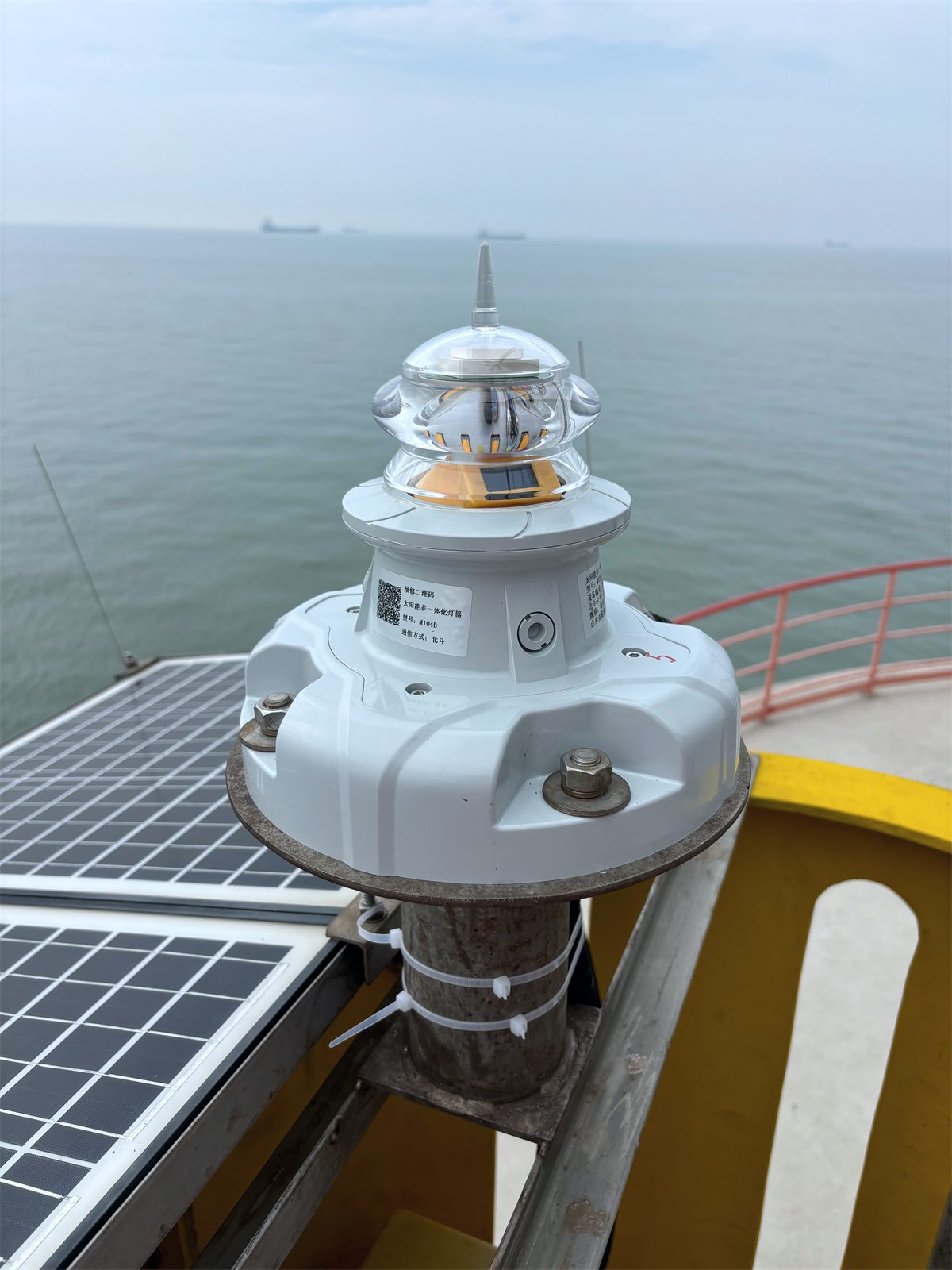
Self-contained solar marine lantern
Family 03 · Lanterns

Marine lanterns.

Self-contained · Split · Multiple range classes

The lantern is the only piece of equipment on the channel that has to work every single night. What separates a good one is not peak intensity — it is whether it still lights after a week of overcast weather, whether the character has drifted, and how long it takes you to find out when something goes wrong.

Overview

Range has to be met. Autonomy and consistency decide the outcome.

The most common error in lantern selection is spending all the attention on range class. Range obviously has to satisfy the position plan — but what actually fails in service is autonomy after a run of overcast days, battery capacity collapsing at low temperature, and several lanterns in the same reach flashing out of step so the pattern is hard to read.

Our lanterns size the solar panel and battery against the worst credible weather rather than ideal insolation. Light characters are set in software, not by hardware links, and lanterns from the same batch can flash synchronously.

Where lantern status matters, adding a telemetry module reports character, voltage and fault alarms directly — so a dark aid is known the same day, not at the next patrol.

Overcast autonomyProgrammable character Synchronised flashingTelemetry option
Solar marine lantern
Engineering detail

Four details that decide service lifeSave money on any of these and maintenance pays it back with interest.

01

Power margin

Panel output and battery capacity sized against consecutive overcast days, not ideal sunshine, with low-temperature capacity loss calculated separately.

02

Optics and beam

The beam pattern, not the raw wattage, determines effective range for a given power. Even horizontal spread with enough vertical divergence for hull motion stops the light pulsing in a seaway.

03

Sealing and ingress

Lens, housing and connector sealing set the risk of water ingress and condensation. Condensation rarely kills a lantern outright — it corrodes the electronics and quietly costs output year on year.

04

Character and sync

Characters are set in software and can be changed on station. Lanterns in a batch support synchronised flashing, so several marks in one reach read as a pattern rather than noise.

Series

Split by mounting and rangeCommon character and telemetry interface across all three.

Request range and photometric data
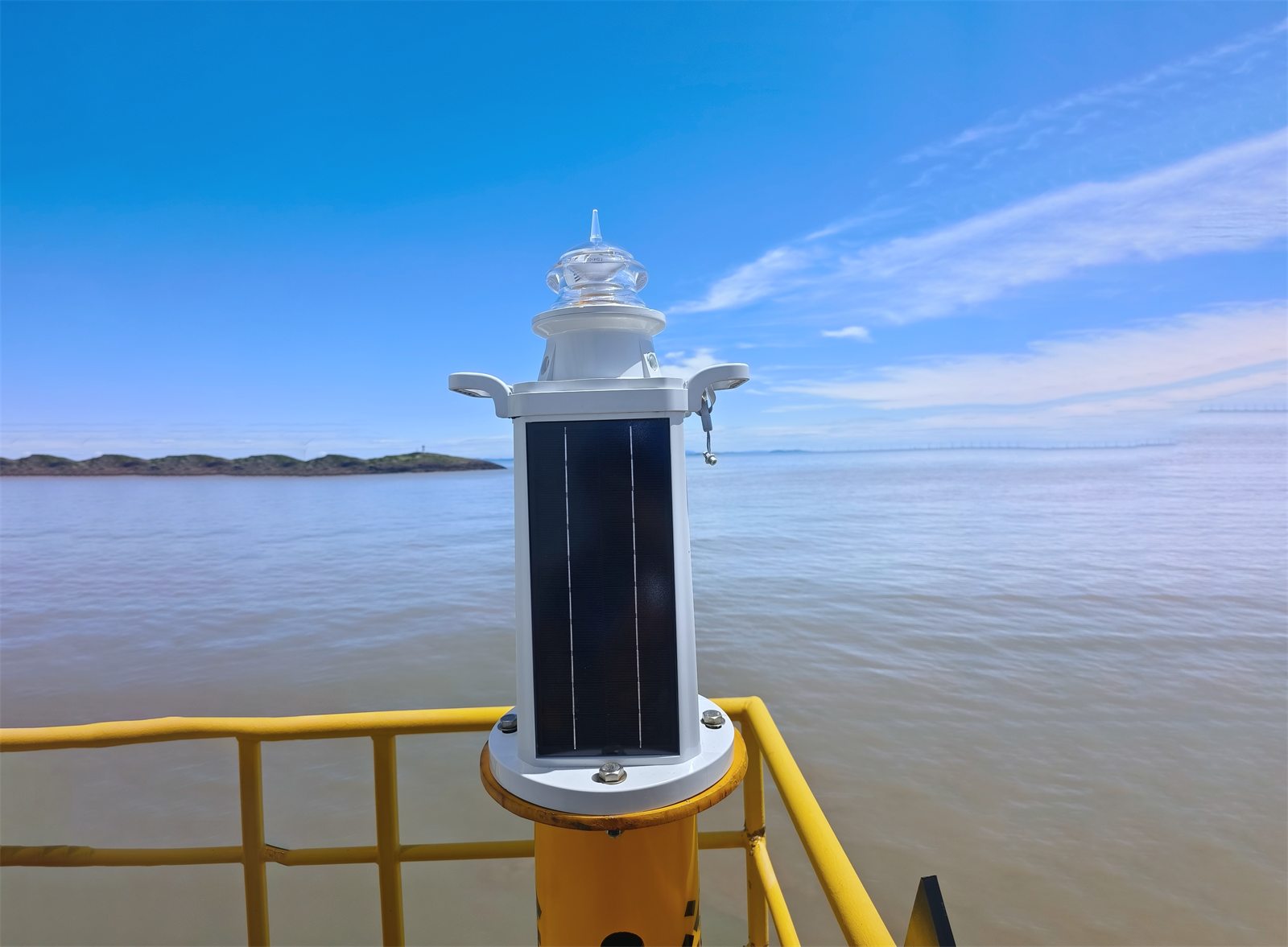
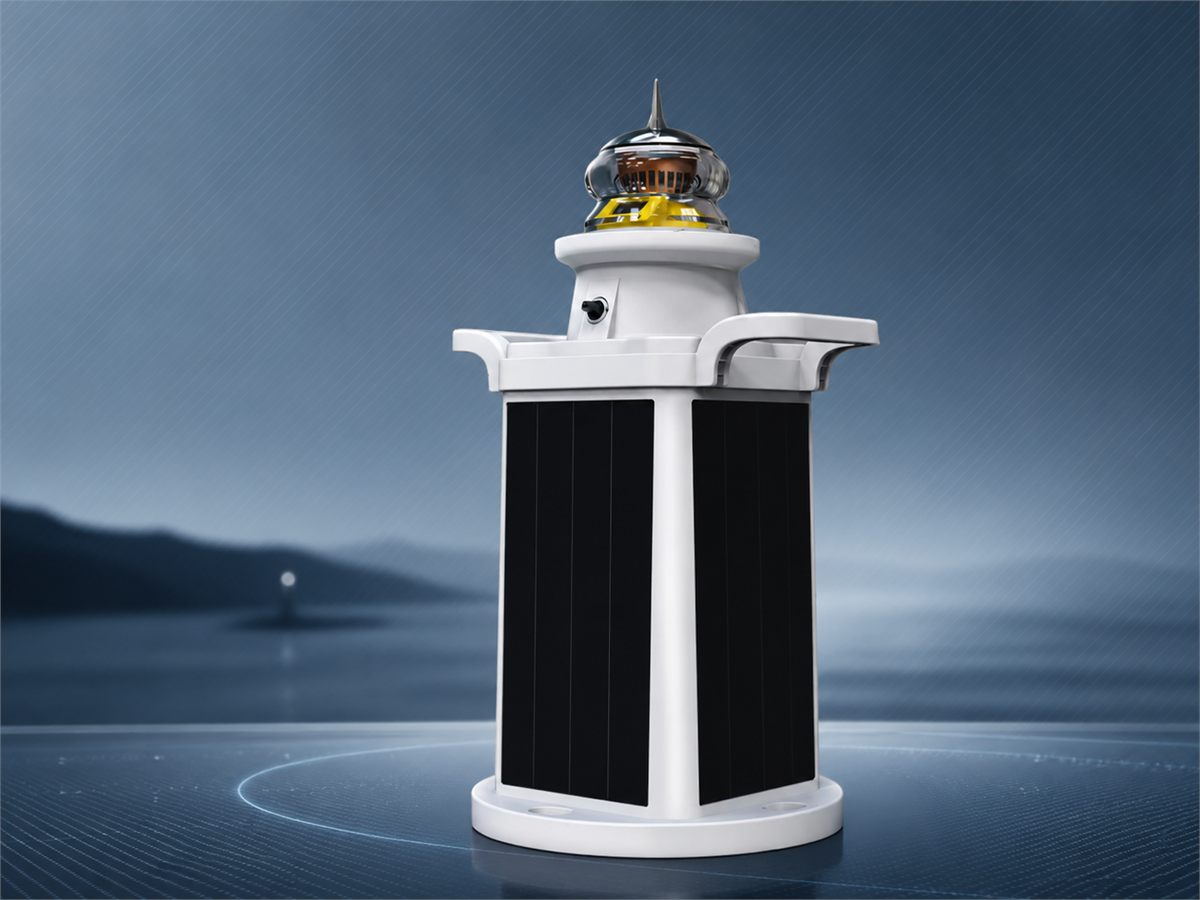
Self-contained solar lantern
Series 01

Self-contained Solar Lanterns

Lamp, battery and panel in one unit

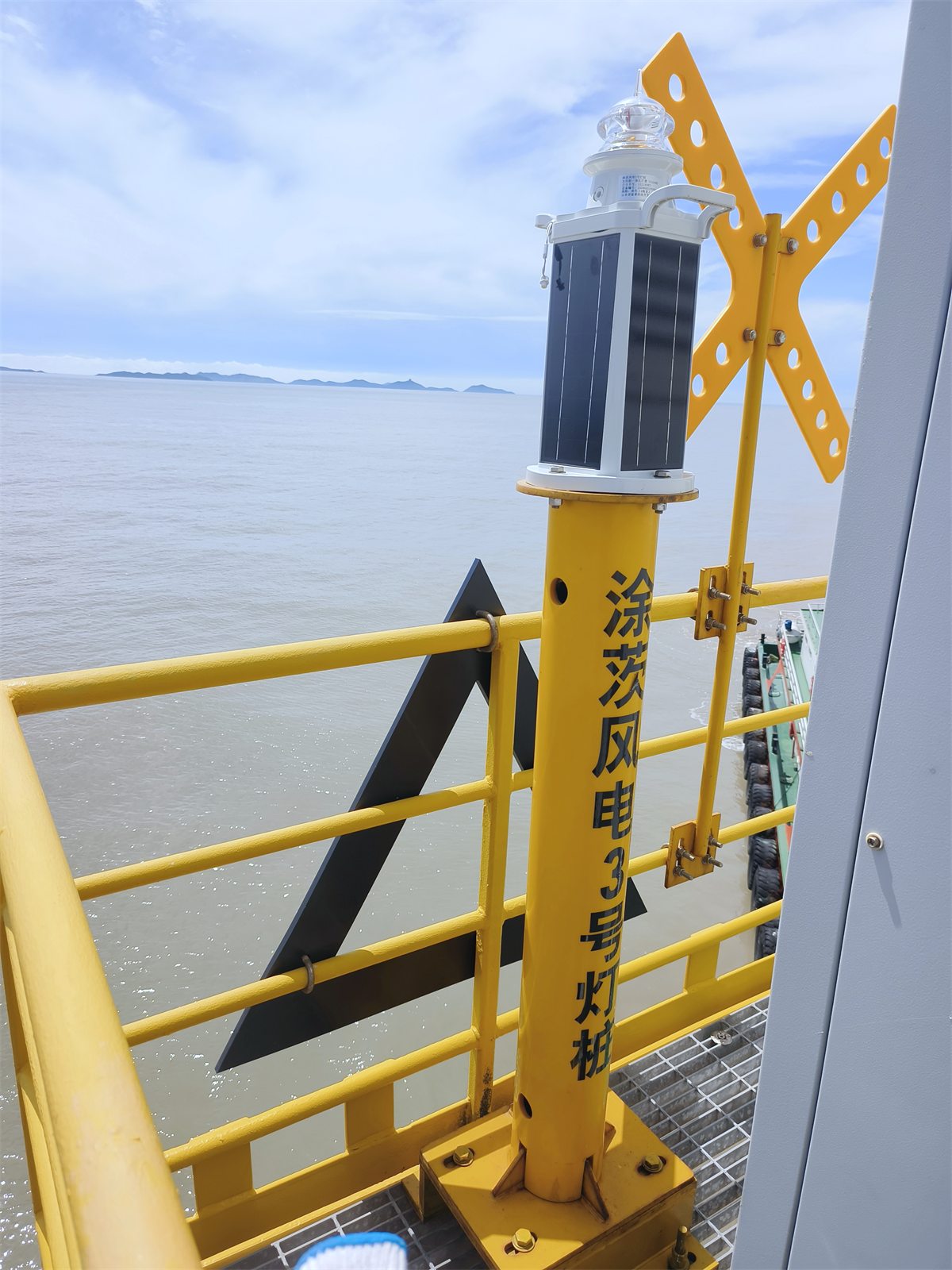
The simplest and fastest to install, suited to most buoys and beacons. Maintenance is a whole-unit swap, with no field wiring.

Fast installUnit swapNo field wiring
Split marine lantern
Series 02

Split Lanterns

Lamp separated from power supply

Lamp head mounted high with battery and panel located separately — for higher focal heights, larger battery banks, or where the lamp position is constrained.

Larger capacityHigh focal planeFlexible layout
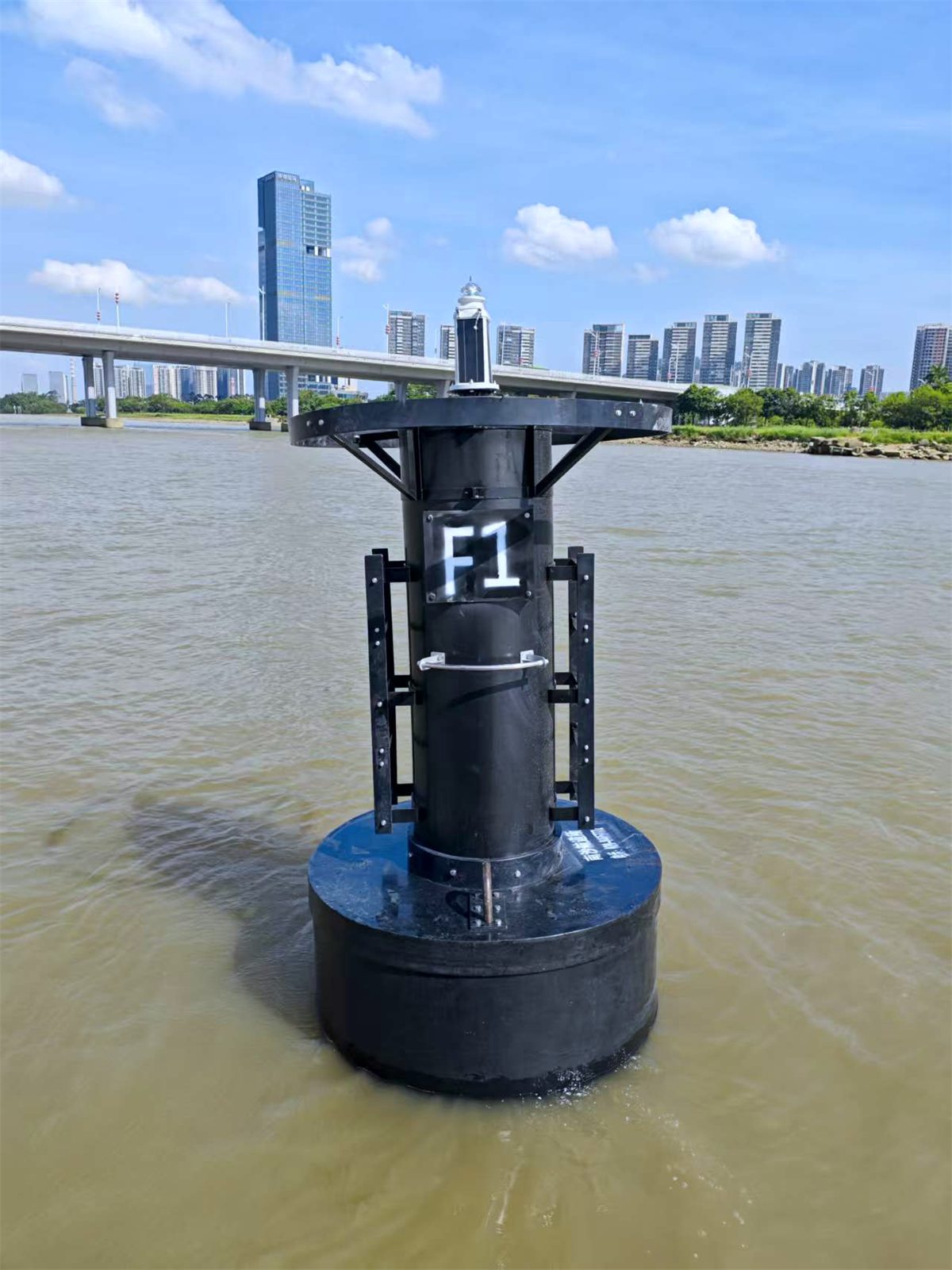
Buoy fitted with a self-contained lantern
Series 03

Telemetry Lanterns

Integrated communication module

Communications built into the lantern, reporting character, voltage and fault status without a separate telemetry terminal — the direct route for new-build projects.

Status reportingFault alarmNo external RTU
Specification

Selection checklistModel figures are issued with the technical submission.

Fields marked ⌛ must be completed from the company's range data and test reports. Intensity and range are figures that require measured evidence.

Marine lanterns · selection parameters
Light sourceLED — red / green / white / yellow
Nominal rangeTo be completed: nominal range (NM) per model, with photometric data
Effective intensityTo be completed: effective intensity (cd), stating the IALA calculation basis
Light characterProgrammable, covering standard flash rhythms; synchronised flashing within a batch
PowerSolar with battery storage, automatic photocell switching
AutonomyTo be completed: days of operation from full charge without charging
BatteryTo be completed: chemistry, nominal capacity and cycle life
Operating temperatureTo be completed: range, with low-temperature capacity derating stated
Ingress protectionTo be completed: IP rating and salt-spray test result
MountingStandard AtoN lantern base, fitting our UHMWPE and metal structures
TelemetryIntegrated module, or external telemetry terminal
StandardsTo be completed: the standards the company manufactures and tests to

⚠ Range and intensity are checked line by line during tender evaluation. Do not publish figures without a third-party test report behind them.

Request a quote

Need marine lanterns?Send the position plan and we will recommend range and configuration.

Give us mark spacing, required range class, mounting structure and quantity, and you will get a model recommendation with pricing.

Tel
+86 ___-____-____GMT+8 · Mon–Fri 09:00–18:00

Product inquiry

Fields marked * are required.

Your details are used only to respond to this inquiry.

Request a quote Email us