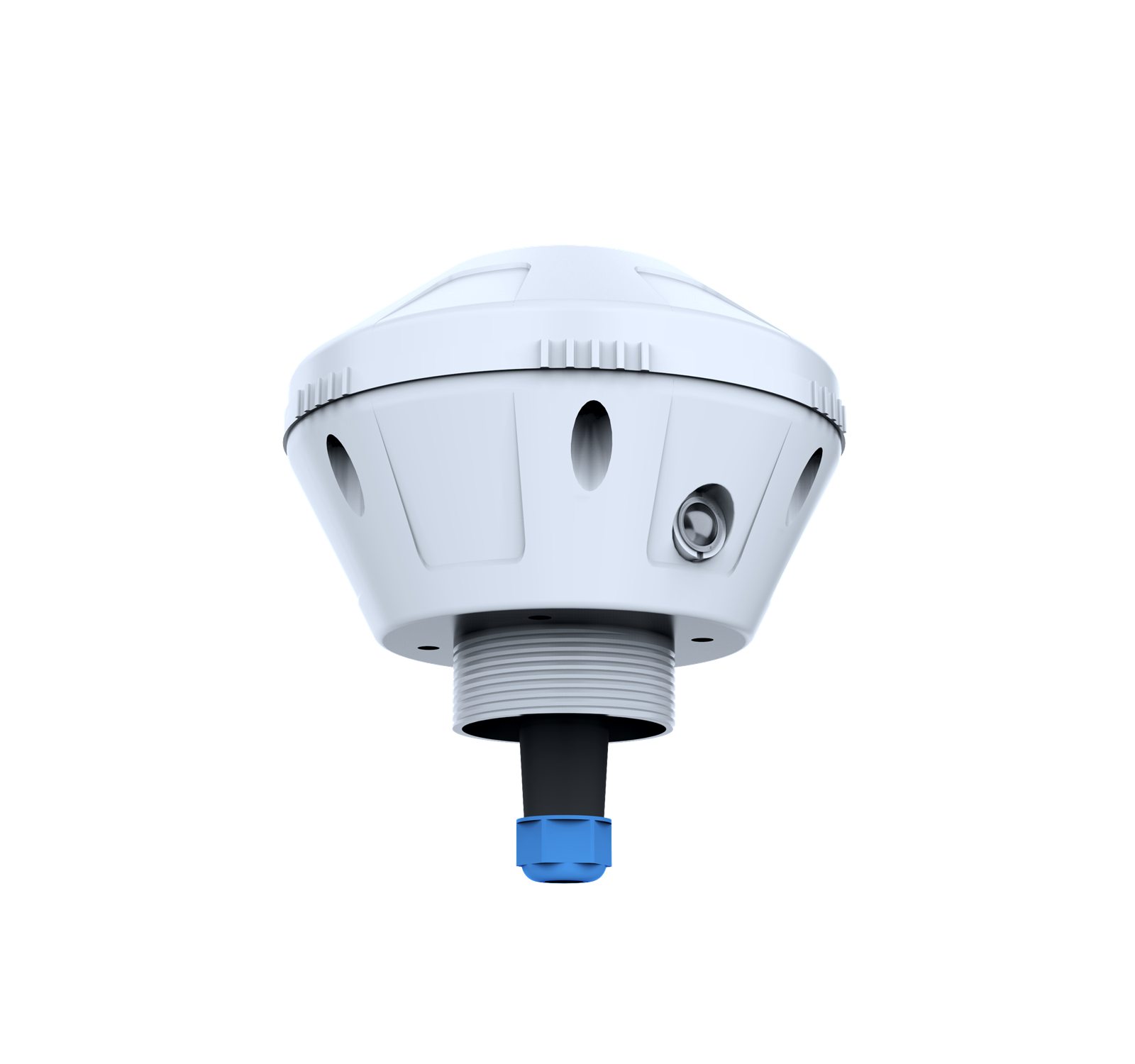
Remote monitoring.
The hardware is only the entry point. The value comes from what changes afterwards — moving from sailing the calendar to knowing which aid has which fault before you leave the berth.
Four values are enough. More than that and nobody reads it.
The easiest way to get telemetry wrong is to treat it as "collect everything". Maintenance decisions rest on a few values, and if everything else is pushed alongside them without distinction, the crew stops opening the platform within a few weeks.
Our terminals report what a sortie decision actually needs: light character status, battery voltage trend, position and off-station alarm, and the terminal's own communication heartbeat. That last one is routinely forgotten — a terminal going silent is itself a fault.
Data can feed your existing channel management platform or a separate interface we provide. The former needs the interface specification and integration window confirmed early.
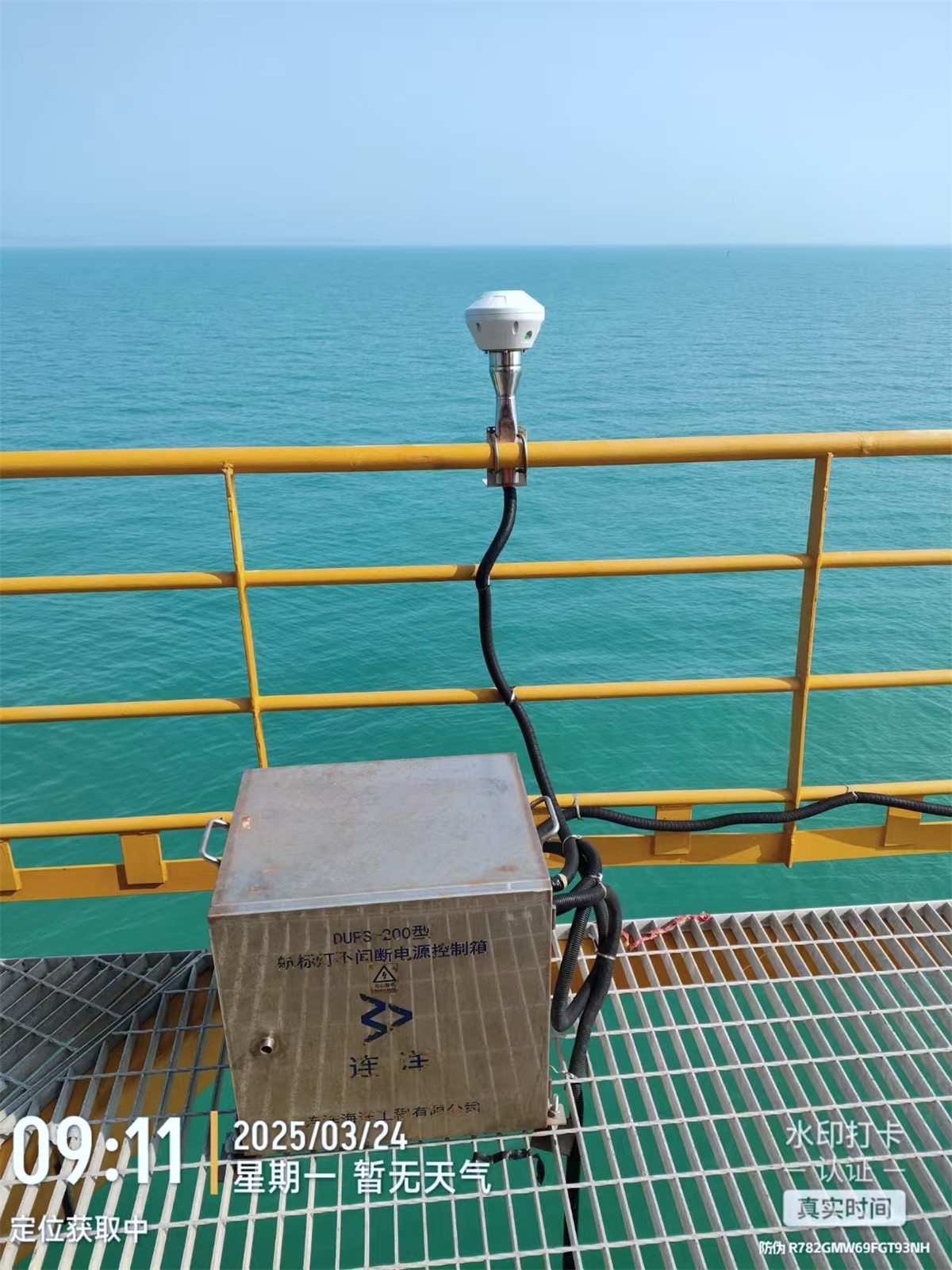
Three layersThe hardware, the integration, and what happens after it.
Telemetry terminals
Standalone units fitted to buoys, beacons or lanterns, collecting character, voltage and position and reporting on a set interval, with immediate alarm on exception.
AIS AtoN
Position and status presented on the electronic chart — for dense traffic areas where the information should reach the bridge directly.
Telemetry lanterns
Communications integrated inside the lantern, so new-build projects can skip the external terminal entirely.
Platform integration
Into your existing platform or a supplied interface. The work that matters is turning a full asset list into an exception list.
Process support
Helping fix who watches alarms, how fast they respond and what triggers a sortie. Without those three, the hardware returns nothing.
Pilot then roll out
Run one full maintenance cycle on a short reach first, then decide the scale of the wider deployment.
Selection checklistBearer choice and tariff structure differ sharply by water area.
| Reported values | Light character status, battery voltage, position, off-station alarm, communication heartbeat |
|---|---|
| Bearer | To be completed: supported bearers and the water areas each suits |
| Reporting interval | Configurable; alarms reported immediately (interval range to be confirmed) |
| Power | Independent solar supply or drawn from the lantern (consumption figures to be confirmed) |
| Ingress protection | To be completed: IP rating and salt-spray test result |
| Operating temperature | To be completed: operating range |
| Platform interface | Standard data interface for integration with existing platforms (protocol to be confirmed) |
| Standards | To be completed: the standards the company manufactures and tests to |
Bearer choice drives both coverage and running cost, and the answer for coastal water is nothing like the answer for open sea. Tell us the area and we will recommend accordingly.
Usually specified together
Ready to connect your aids?Start by settling where the data goes.
Tell us the number of units, the water area and which platform the data should reach. If the platform is not yet decided, we can scope a small pilot first.