HomeProductsUHMWPE AtoN
Family 01
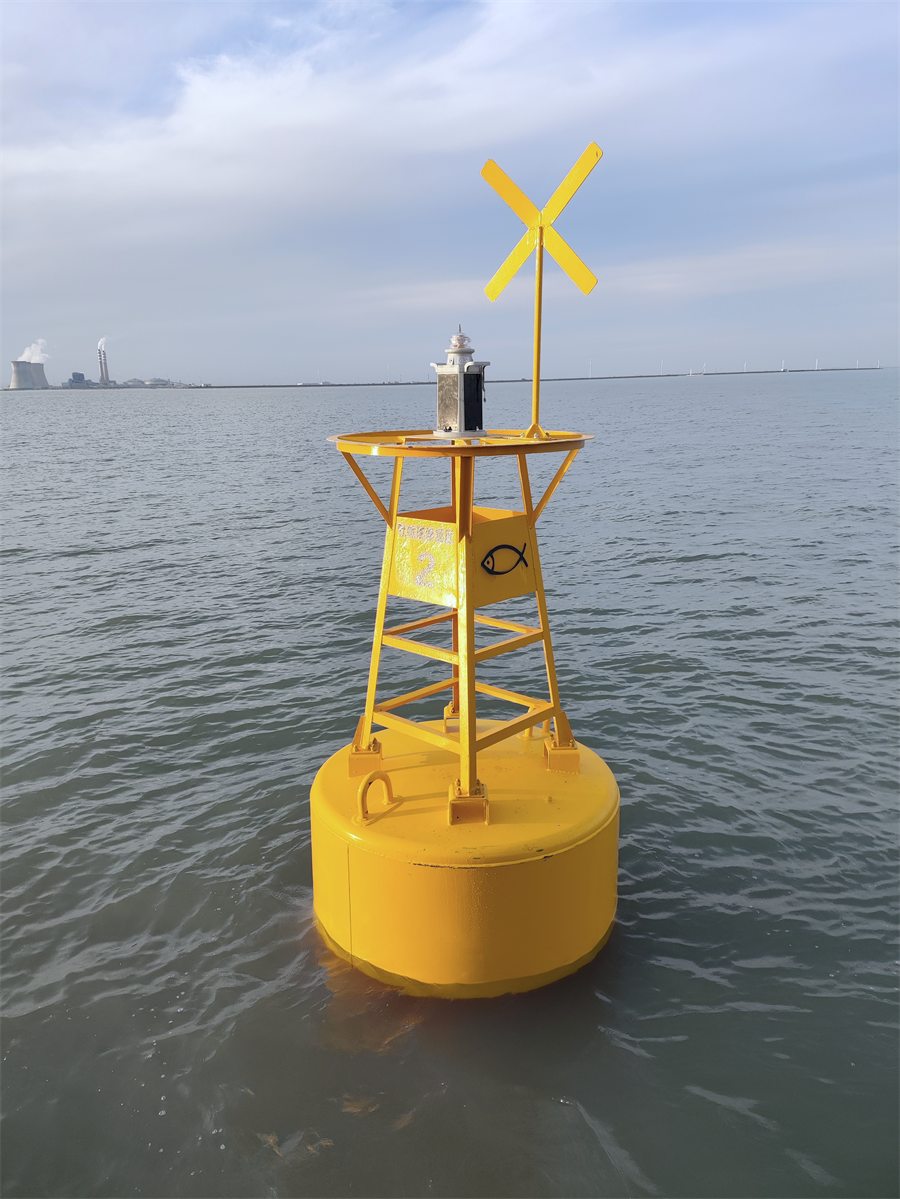
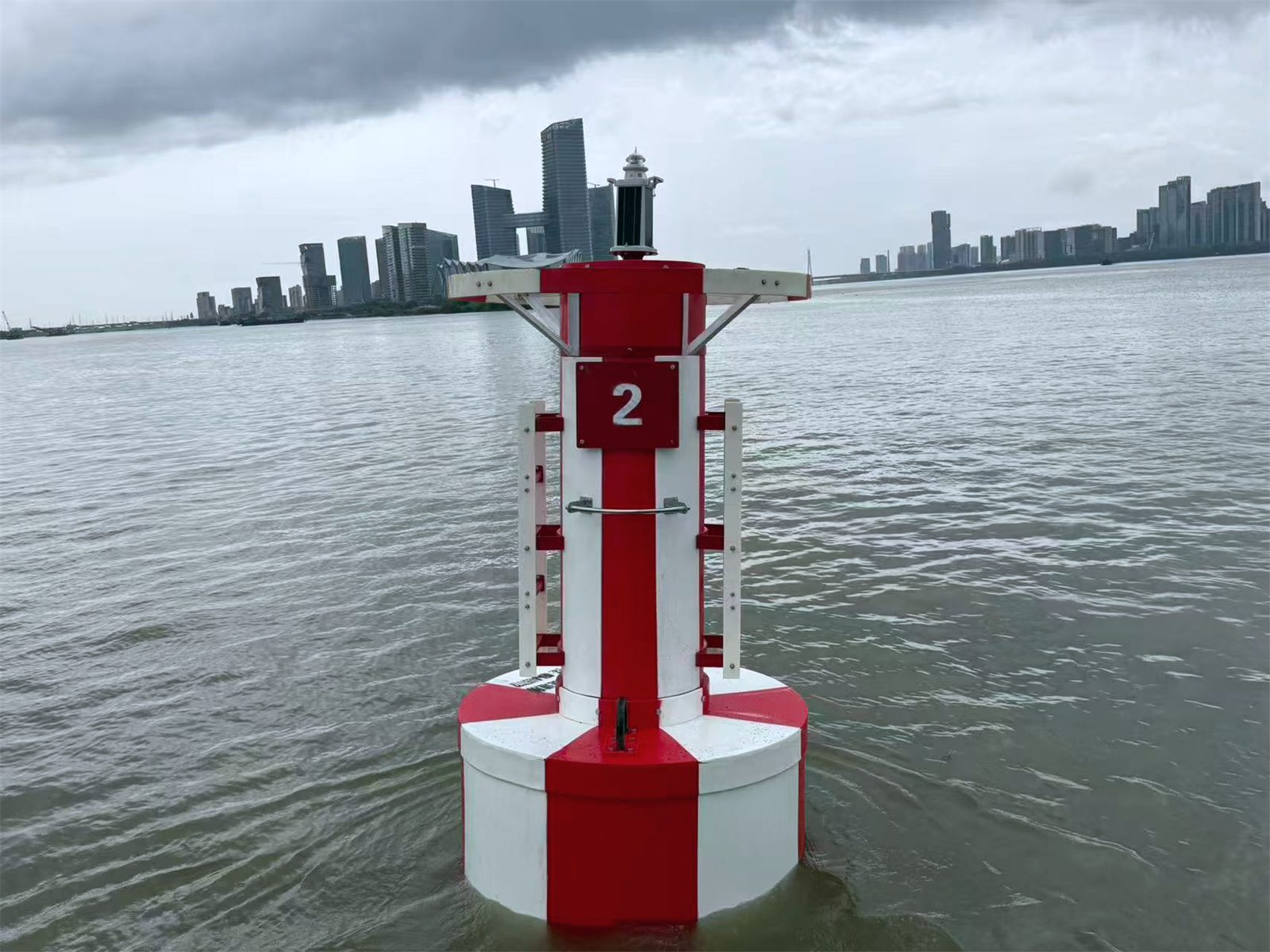
UHMWPE buoy on station
Family 01 · UHMWPE

Polyethylene aids
to navigation.

Buoys · Boat-shaped buoys · Beacons · Topmarks & dayboards

No rust, no periodic repainting, and impacts that deform locally instead of breaching the hull. One material choice that answers both questions at once: how long the aid survives on station, and how often somebody has to go out to it.

Overview

The cost that matters is maintenance, not purchase price.

Most of what a steel hull costs over its life is not the purchase order — it is every subsequent descaling, repaint, replacement and recovery. In salt spray, silty water or heavy-fouling conditions the protection cycle shortens, and sending a maintenance vessel out costs far more than the hull itself.

Ultra-high-molecular-weight polyethylene sidesteps that cycle at the material level: the hull does not corrode, colour is carried in the polymer rather than applied to the surface, and the molecular structure keeps the material tough at low temperature — a strike usually leaves a dent that partly recovers, not a hole that floods.

The result is longer intervals between visits and less work at each visit. For scattered stations with limited maintenance windows, that difference outweighs unit price.

No protective coatingColour through the wall Low-temperature toughnessRecyclable
UHMWPE buoy in a navigation channel
Material characteristics

Why UHMWPESix properties that show up in the maintenance log, not just the datasheet.

01

Corrosion-free

No electrochemical corrosion, so no sacrificial anodes and no repainting cycle — in seawater, brackish transitions or water carrying industrial discharge alike. What is saved is the slipping and labour at every protection interval.

02

Low fouling

Low surface energy and a low friction coefficient make it harder for barnacles and algae to attach, and easier to remove what does. That directly protects freeboard and focal height.

03

Impact tolerance

High impact toughness retained at low temperature. Contact from a passing vessel or floating debris typically leaves a local dent that partly recovers, rather than a split plate that floods and sinks the hull.

04

Stable colour

Pigment is compounded into the material with UV stabiliser, so a scratch exposes the same colour rather than primer. It avoids the familiar situation of an aid that is still on station but no longer readable.

05

Light and modular

Lower mass than an equivalent steel hull, so lifting and transport need lighter equipment. Hull, topmark, lantern frame and ballast are separate modules, replaceable individually in the field.

06

Repairable and recyclable

Local damage can be heat-welded on site instead of returning the hull for coating, and end-of-life material can be recycled — increasingly a requirement in project specifications.

Series

Five series, split by water conditionsOne material system, different hull forms and ballast schemes.

Request full range sheet
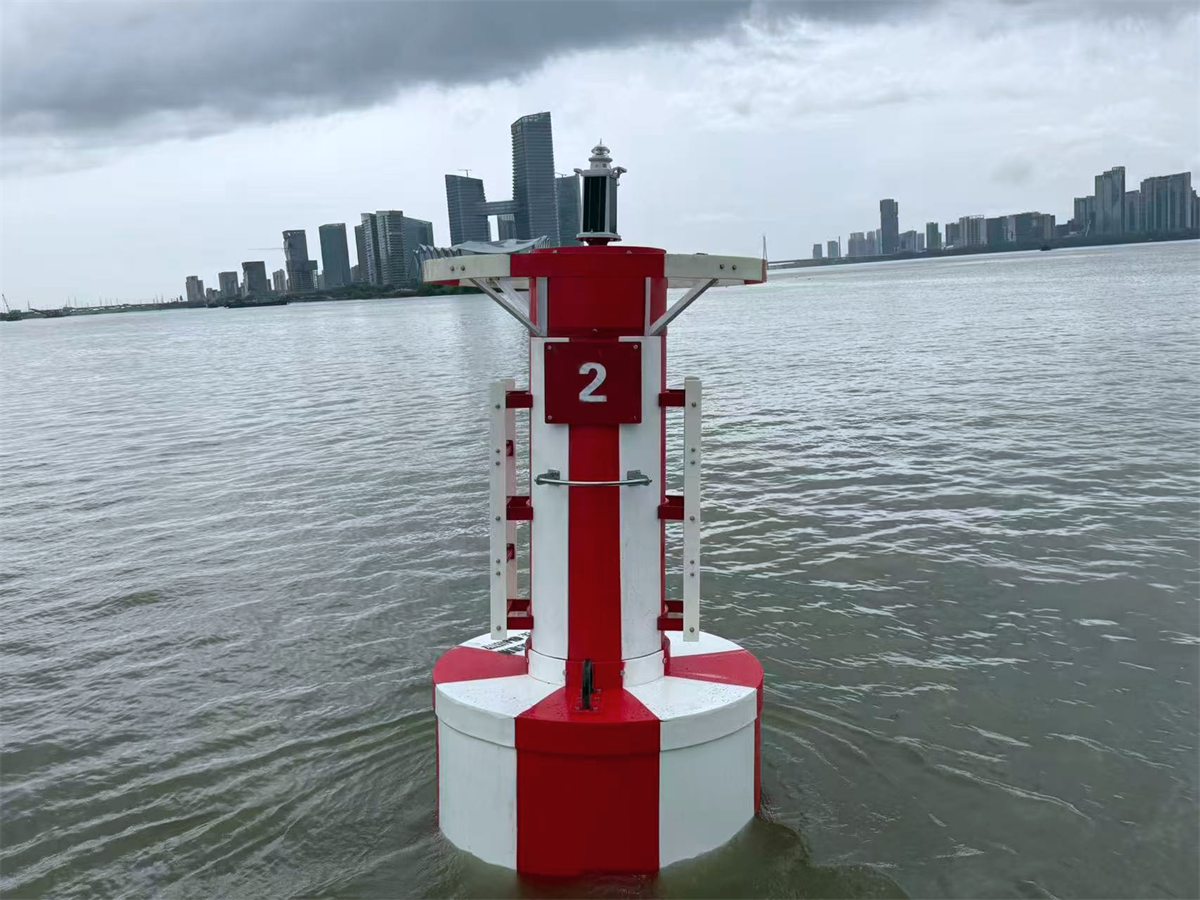
UHMWPE buoy in a navigation channel
Series 01

UHMWPE Buoys

Pillar / conical / can hulls

Standard channel buoys covering lateral, cardinal, isolated danger, safe water and special marks. Hull diameter and ballast are graded by depth and current.

LateralCardinalSpecial
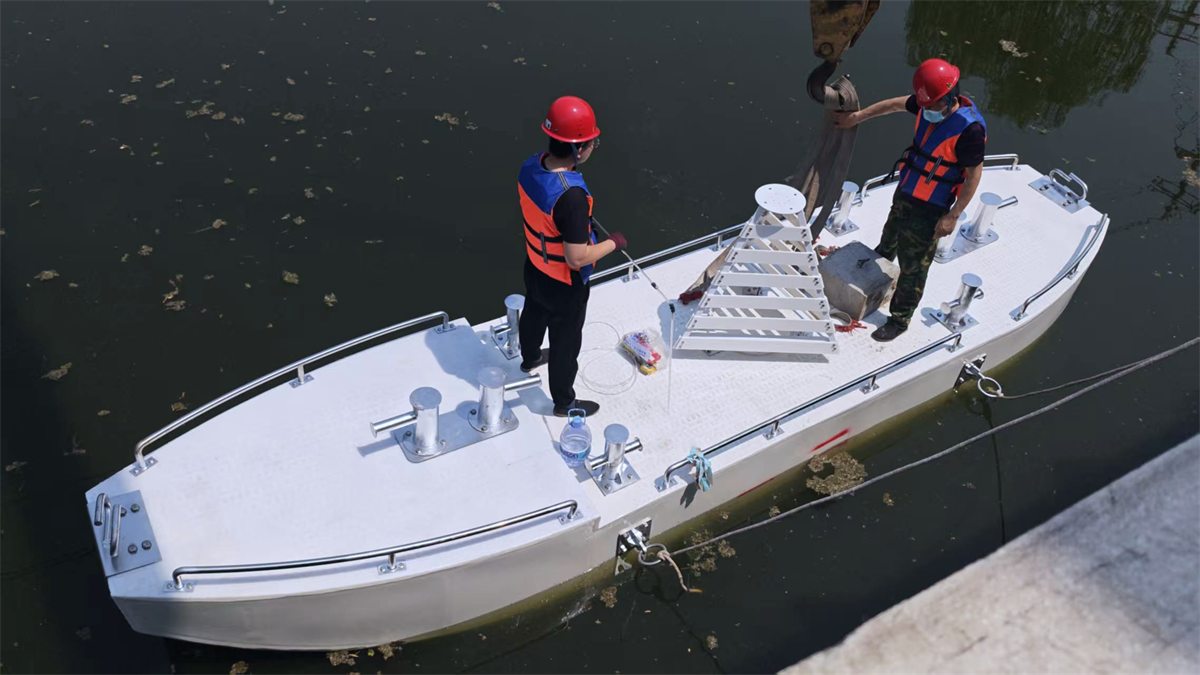
Boat-shaped navigation buoy
Series 02

Boat-shaped Buoys

Streamlined hull · fast water

A streamlined hull takes less load and heels less in strong current — suited to inland and canal reaches with high flow or large water-level variation, reducing dragging and lay-over.

High currentVariable levelAnti-capsize
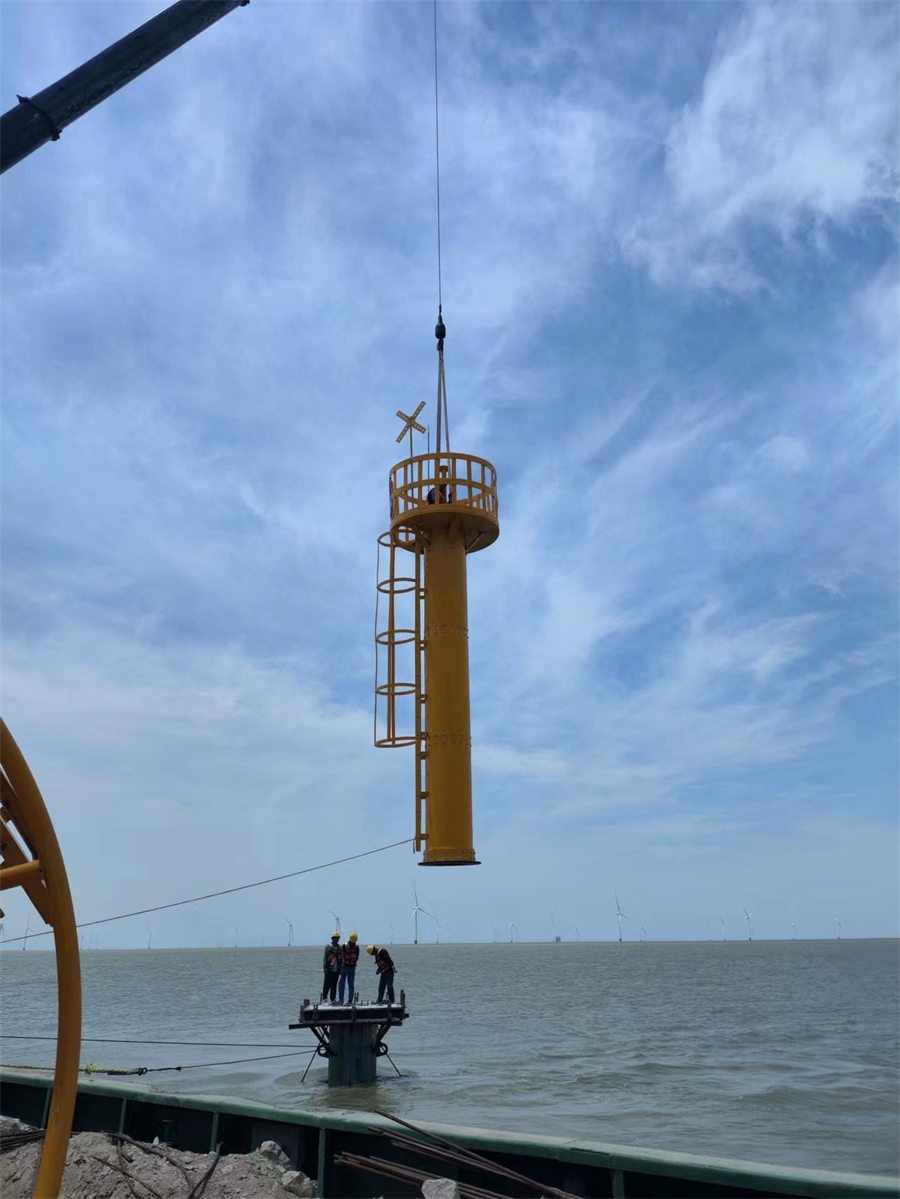
Non-metallic beacon
Series 03

Non-metallic Beacons

Fixed marker structures

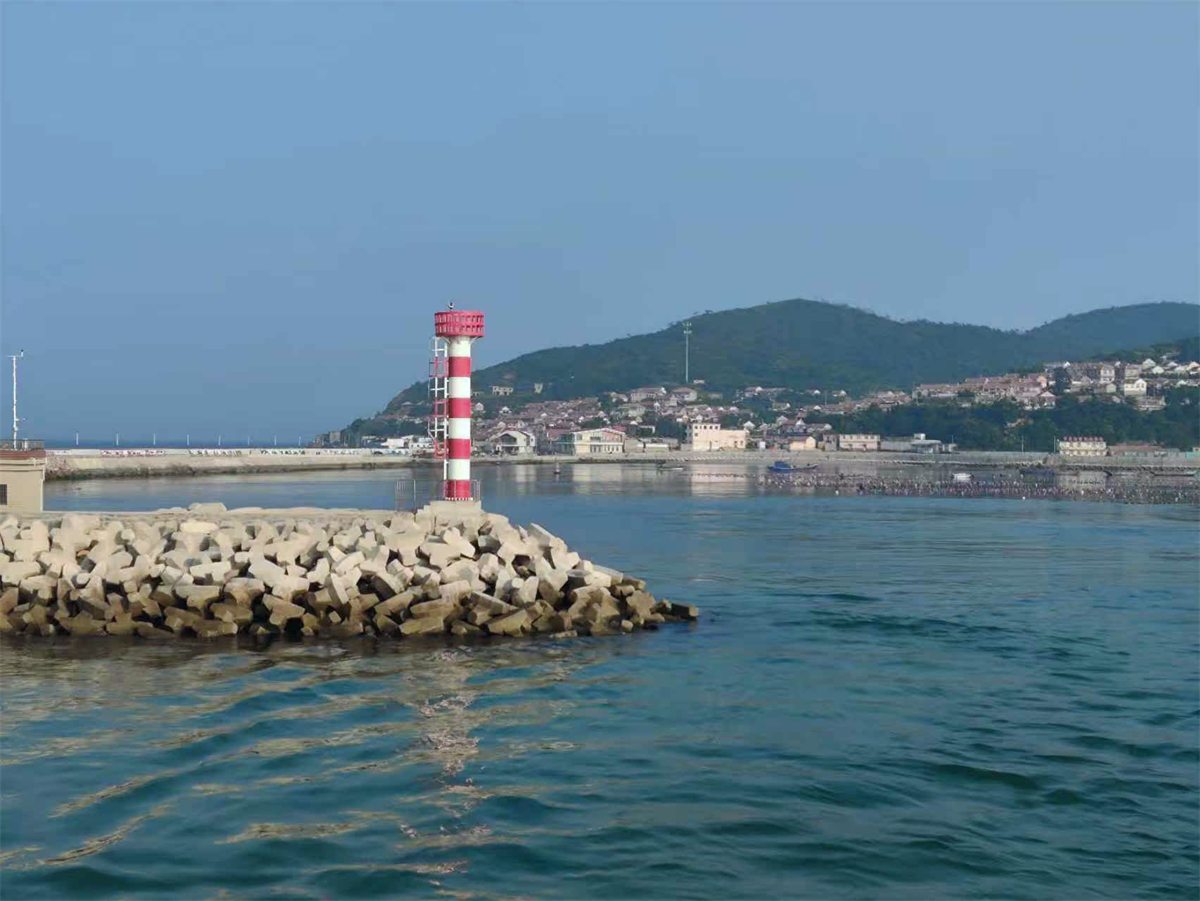
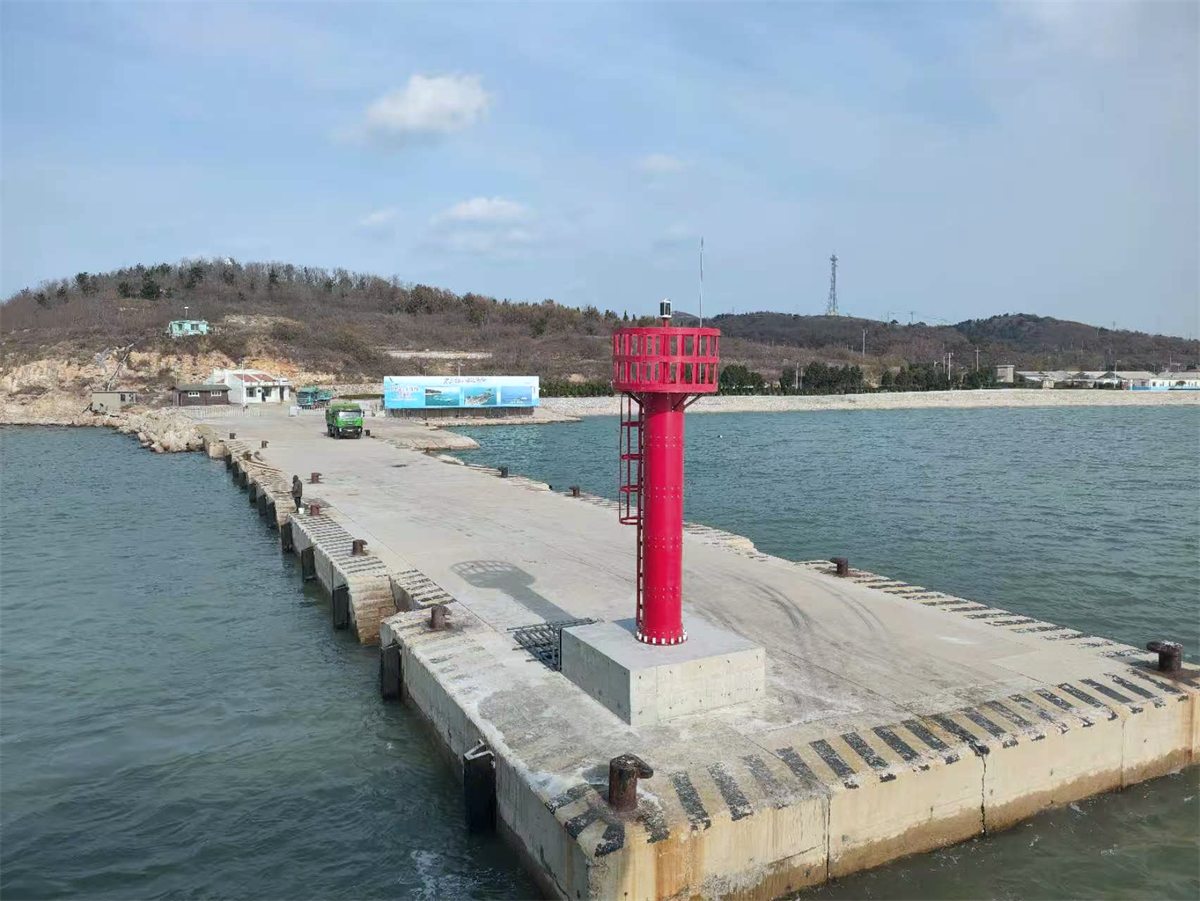
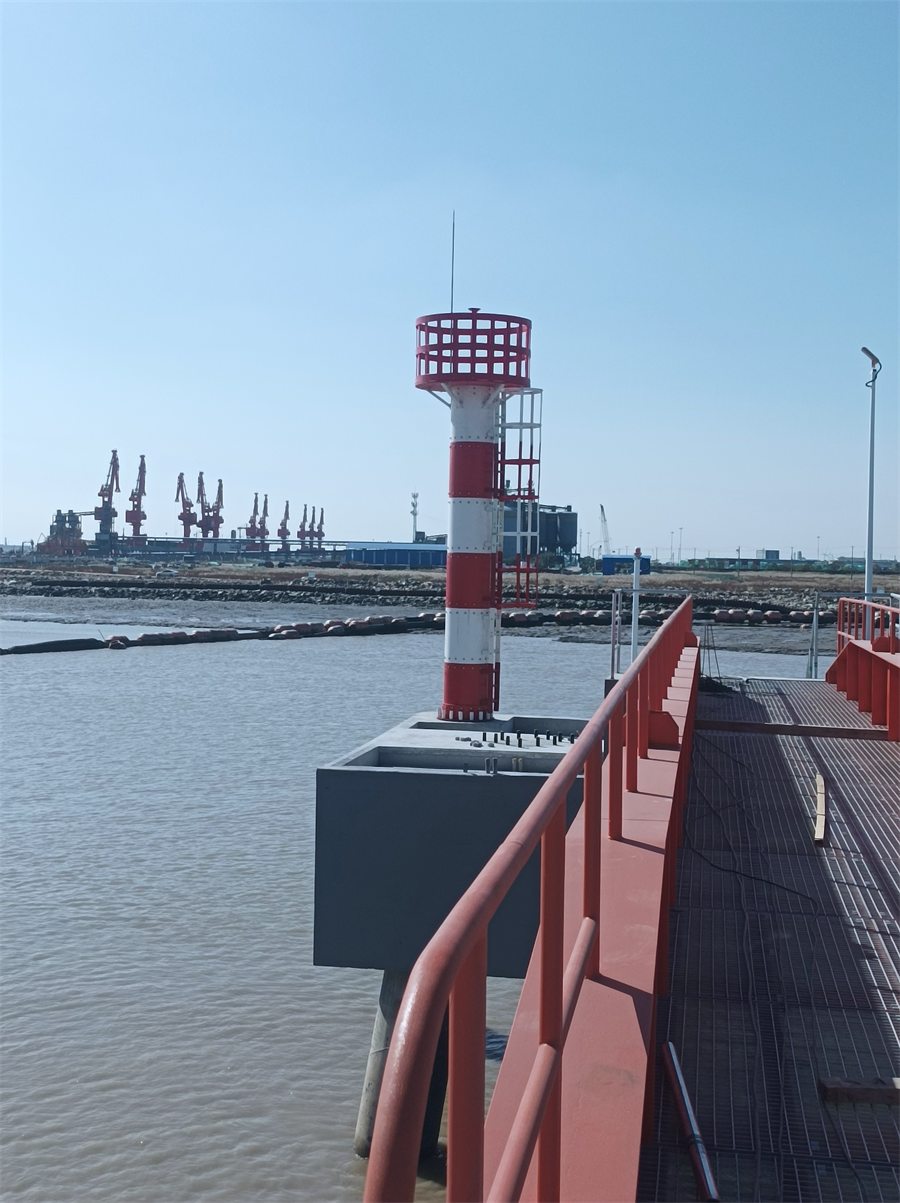
For banks, shoals, embankments and bridge piers where a fixed structure can be founded. A non-metallic structure removes the descale-and-repaint visit every few years.

Fixed mountingNo coatingModular assembly
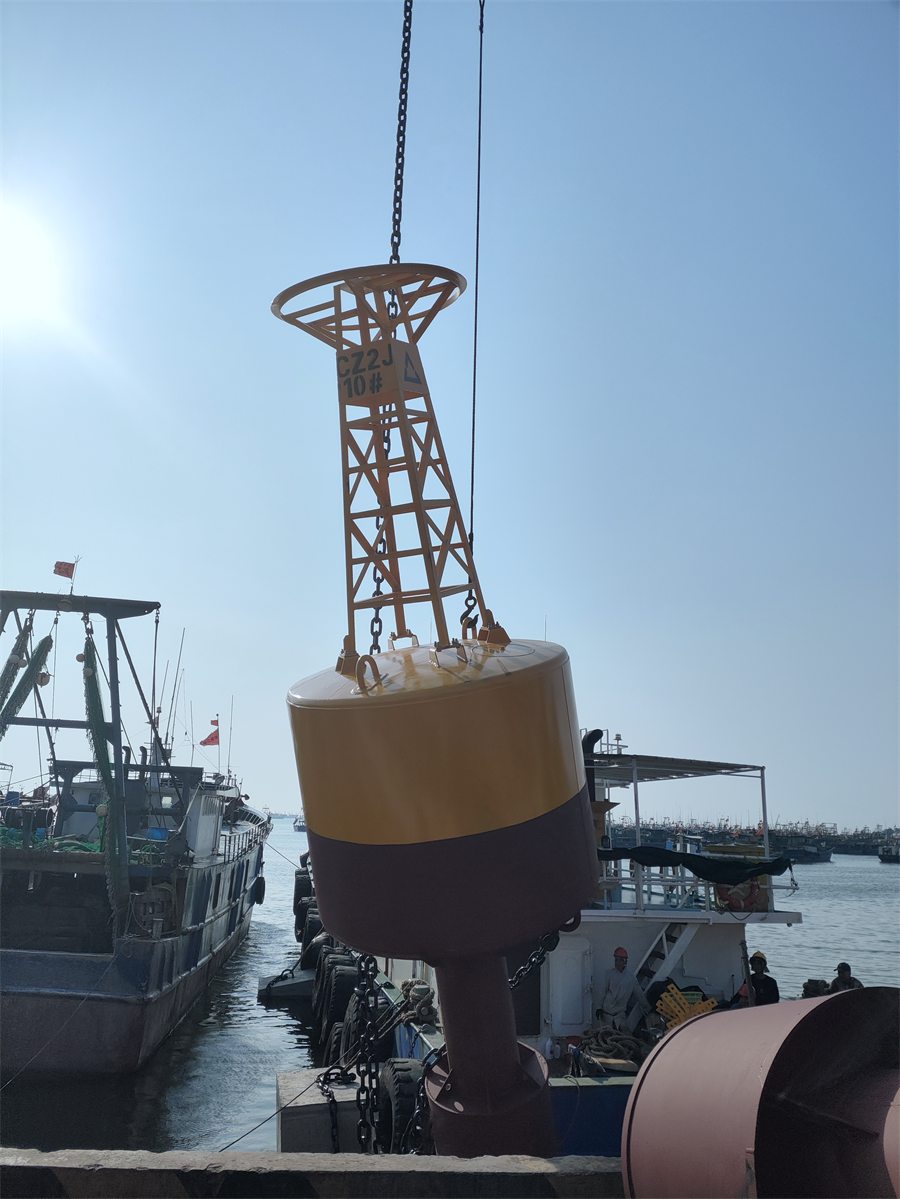
AtoN topmark component
Series 04

Topmarks, Dayboards & Frames

Identification components

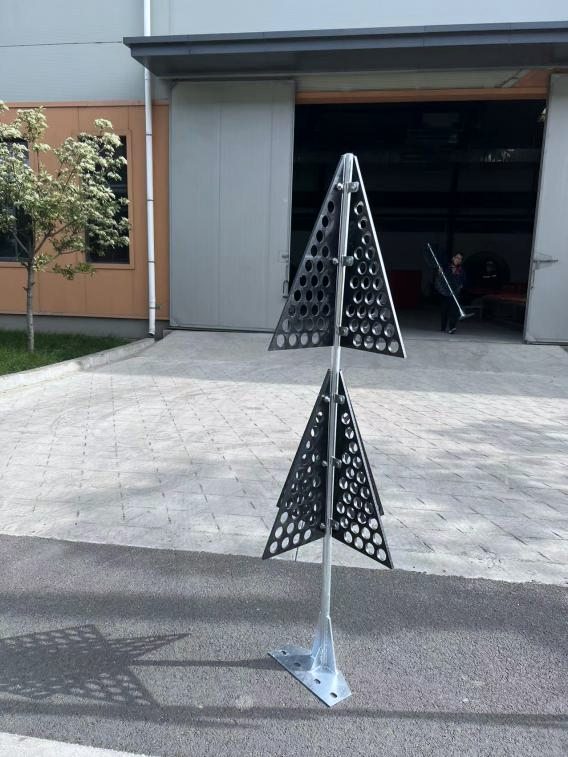
Spherical, conical, cylindrical and X-shaped topmarks plus dayboards and lantern frames. A common interface standard fits our own hulls and can also retrofit existing steel buoys.

Full shape setCommon interfaceRetrofit capable
Polymer beacon and fittings
Series 05

Accessories & Custom Parts

Ballast · chain fittings · fenders · ladders

Ballast blocks, mooring chain connectors, fender strips, inspection ladders and solar panel brackets. Hulls and fittings can be made to drawing where a project requires it.

Standard fittingsMade to drawingSpares supply
Specification

Selection checklistModel-specific figures are issued with the technical submission.

The table below lists what has to be fixed during selection. Fields marked ⌛ must be completed from the company's actual range data — we do not publish unverified figures.

UHMWPE buoys · selection parameters
Hull materialUltra-high-molecular-weight polyethylene, pigment compounded through the wall, UV stabilised
Buoyancy fillingClosed-cell foam fill, retaining buoyancy after hull damage (fill material and density to be confirmed)
Hull sizesTo be completed: diameter / height / freeboard / displacement per size
Water depth rangeTo be completed: recommended depth range per size
Current limitTo be completed: recommended maximum current per size
Shapes and coloursLateral, cardinal, isolated danger, safe water and special marks per the IALA Maritime Buoyage System
TopmarksSpherical / conical / cylindrical / X-shaped, standard interface, individually replaceable
LanternFits our own marine lanterns, or a mounting interface prepared for a project-specified model
TelemetryOptional telemetry terminal reporting light character, battery voltage, position and off-station alarm
MooringChain, sinker and connectors sized against depth, current and seabed (calculation basis to be confirmed)
Design lifeTo be completed: from type test reports and in-service data
StandardsTo be completed: the standards the company actually manufactures and tests to

⚠ Every ⌛ field is technical data that must come from the company. Until there are type test reports or a published range sheet behind them, these numbers must not appear on a public page — in tendering and contract performance, a wrong figure is a real liability.

Environments

What drives the choice in each waterSame series, different configuration.

Aids to navigation on an inland waterway
01

Inland Waterways

Current and floating debris
Navigation buoy in a port area
02

Ports & Harbours

Contact damage and fouling
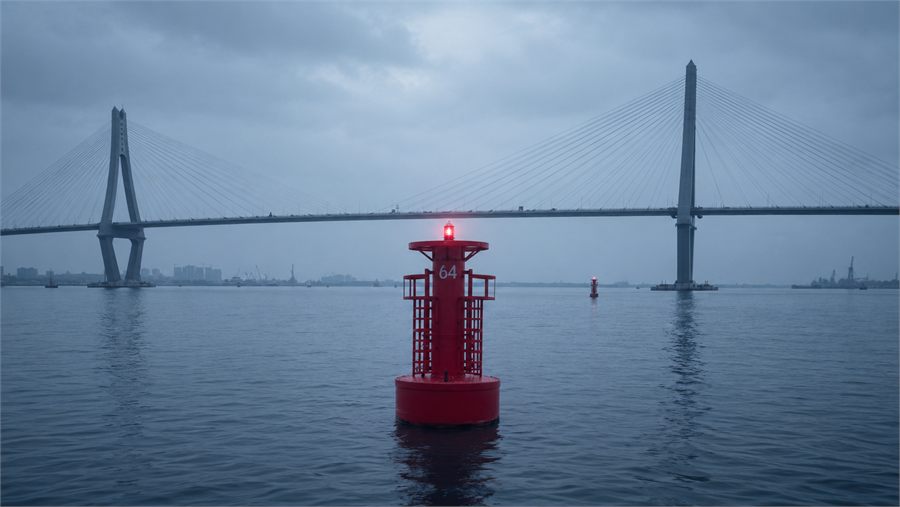
Channel marking in a bridge area
03

Bridge Areas

Protection and conspicuity
Aids supplied for a canal project
04

Canal Projects

Water-level variation
Coastal navigation buoy
05

Coastal & Sea Areas

Salt spray and wave height
Request a quote

Need polyethylene aids?Send the water conditions and we will send a configuration.

Give us channel class, depth, current and the number of hulls required. You will get a configuration recommendation, model list and price — not a generic brochure.

Tel
+86 ___-____-____GMT+8 · Mon–Fri 09:00–18:00

Product inquiry

Fields marked * are required.

Your details are used only to respond to this inquiry.

Request a quote Email us